



Progesterone Receptor
NR3C3
Progesterone receptor (PR) is a member of the steroid/thyroid hormone-retinoid receptor superfamily of ligand-activated nuclear transcription factors. Progesterone receptor plays a vital role in female reproductive tissue development, differentiation, and maintenance.
Progesterone receptor is able to bind to a large number and variety of ligands that elicit a broad range of transcriptional responses ranging from full agonism to full antagonism and numerous mixed profiles inbetween. Progesterone receptor, such as progesterone, induces conformation changes in PR ligand binding domain (LBD), thus mediates subsequent gene regulation cascades.
In humans, the biological response to progesterone is mediated by two distinct forms of the progesterone receptor (human PR-A and PR-B).
All Product Categories
-
Progesterone Receptor Inhibitors
(11)
View all products
-
Progesterone Receptor Agonists
(76)
View all products
-
Progesterone Receptor Antagonists
(24)
View all products
-
Progesterone Receptor Activators
(10)
View all products
-
Progesterone Receptor Modulators
(10)
View all products
-
Progesterone Receptor Ligands
(5)
View all products
-
Progesterone Receptor Proteins
(1)
View all products
-
Progesterone Receptor Related Products (161)
Related Products (161)

-
Recombinant Proteins (1)
-
Antibodies (2)
-
Chlormadinone acetate (Standard)
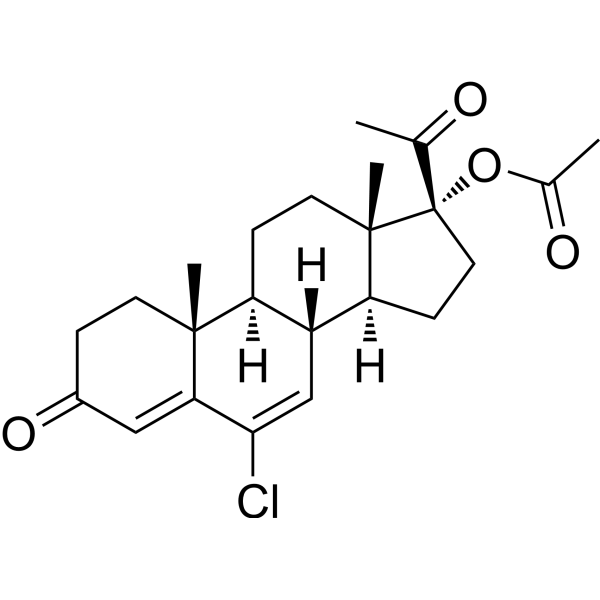 0 ImagesChlormadinone acetate (Standard) is the analytical standard of Chlormadinone acetate (HY-B1095). This product is intended for research and analytical applications. Chlormadinone acetate is a progestogen with potent progestogenic activity and antiandrogenic effects. Chlormadinone acetate acts on glucocorticoid receptor, progesterone receptor, androgen receptor, and GABAA receptor. Chlormadinone acetate induces endometrial proliferation in estrogen-pretreated rabbits, inhibits testosterone-stimulated growth of the prostate and seminal vesicles in castrated rats, and reduces the thymus and adrenal weights in juvenile rats. Chlormadinone acetate is applicable to research related to diseases such as depression and reproductive metabolic disorders.
-
Dienogest-d5
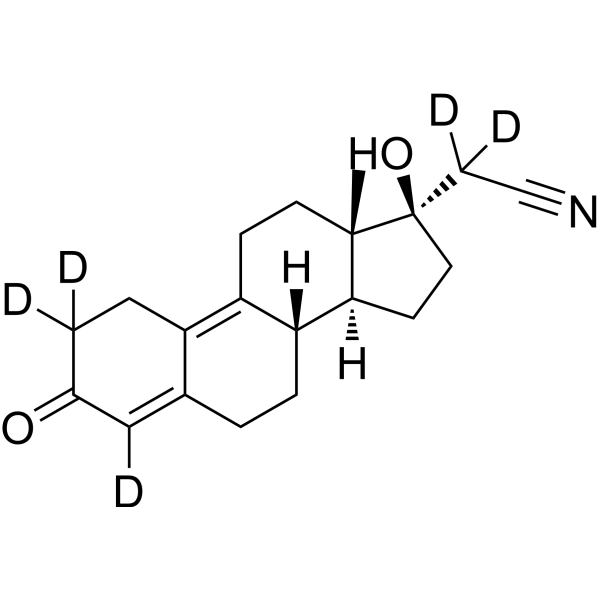 0 ImagesCat. No.: HY-B0084S1Synonyms: STS 557-d5Dienogest-d5 is deuterium labeled Dienogest.
-
Cymipristone
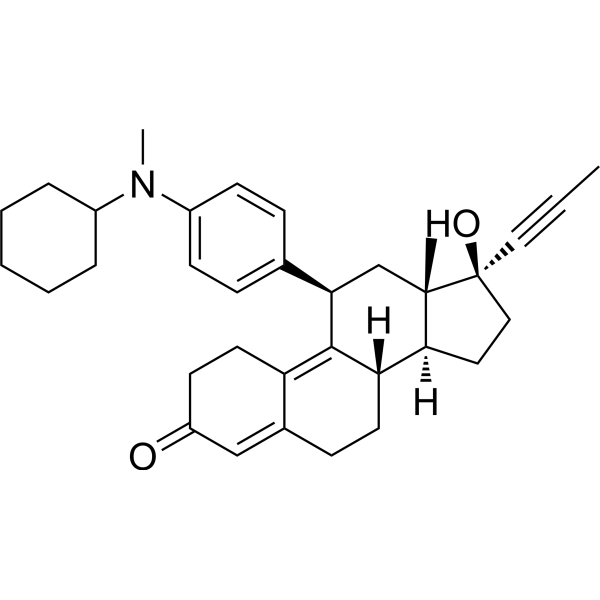 0 ImagesCat. No.: HY-119482CAS No.: 329971-40-6Cymipristone (ZXH-951), a progesterone receptor antagonist, is used potentially for termination of intrauterine pregnancy.
-
Medroxyprogesterone-d7
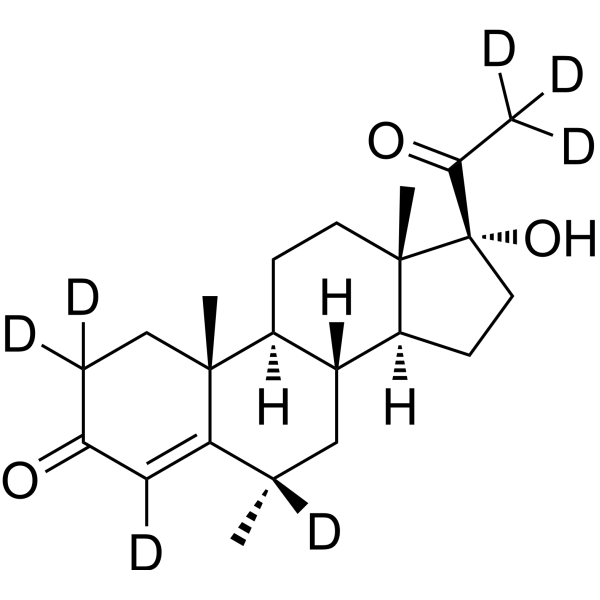 0 ImagesCat. No.: HY-B0648S1Synonyms: 17α-Hydroxy-6α-methylprogesterone-d7; U8840-d7Medroxyprogesterone-d7 is deuterium labeled Medroxyprogesterone.
-
Dydrogesterone-d6
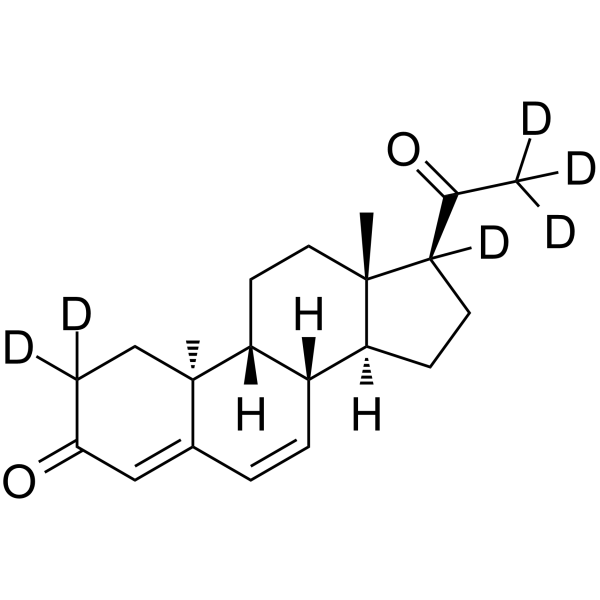 0 ImagesCat. No.: HY-B0257ASDydrogesterone-d6 is the deuterium labeled Dydrogesterone. Dydrogesterone is a potent, orally active progestogen indicated in a wide variety of gynaecological conditions related to progesterone deficiency.
-
Megestrol acetate-d3-1
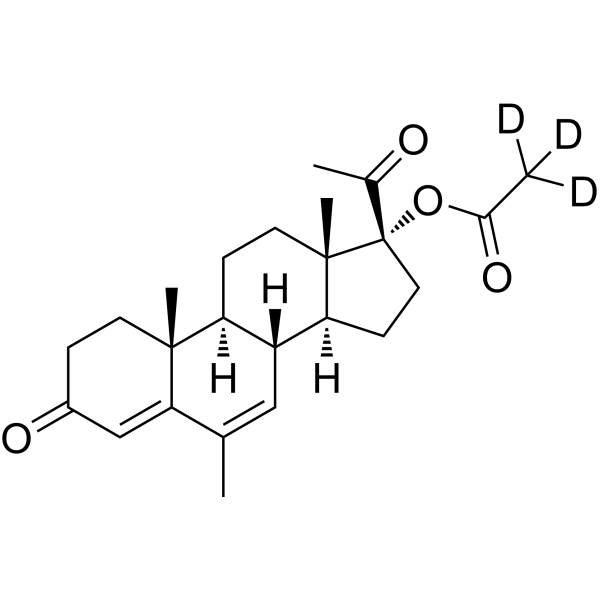 0 ImagesCat. No.: HY-13676S1Megestrol acetate-d3-1 is deuterium labeled Megestrol acetate. Megestrol acetate is a synthetic and orally active progesteronal agent. Megestrol acetate is effective as an appetite stimulant for wasting syndromes such as cachexia. Megestrol acetate decreases nuclear and cytosol androgen receptors human BPH tissue. Megestrol acetate has the potential for HIV study and downregulates autophagic catabolic pathway.
-
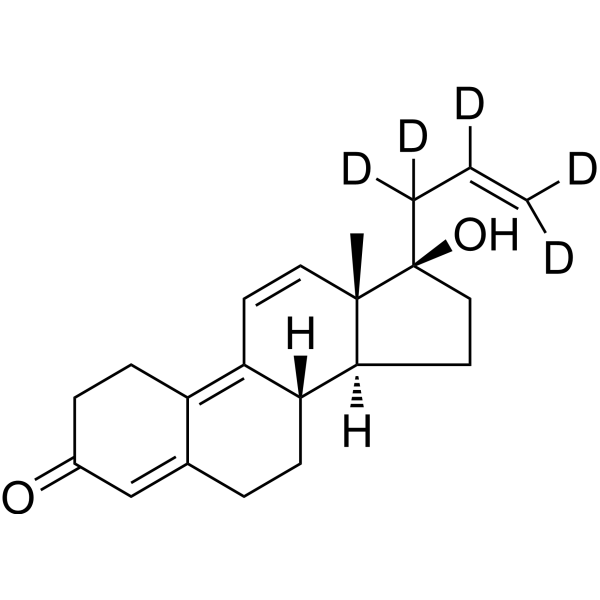
Gestodene-d7
 0 ImagesCat. No.: HY-W753897
-
Tosagestin
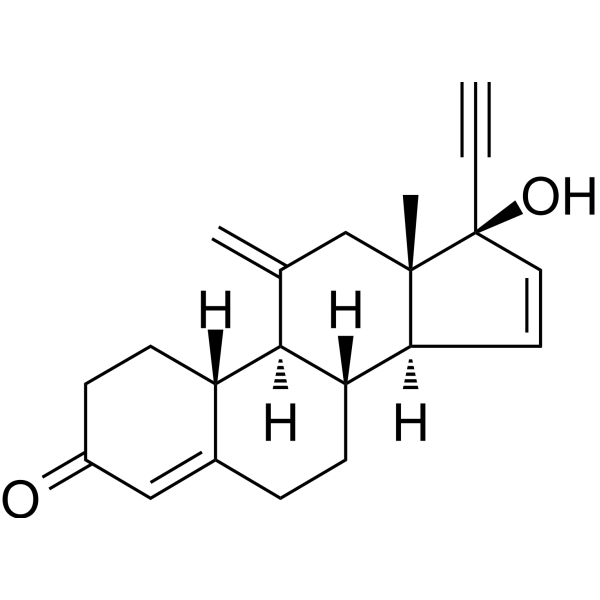 0 ImagesCat. No.: HY-106297CAS No.: 110072-15-6Synonyms: Org 30659Tosagestin(Org 30659) is a 19-nortestosterone–derived progestagen. Tosagestinsuppresses ovarian function to a level sufficient to inhibit ovulation. Tosagestininhibits cell growth in T47D-S cells.
-
Medroxyprogesterone acetate-d7
 0 ImagesCat. No.: HY-B0469S1Synonyms: Medroxyprogesterone 17-acetate-d7; Farlutin-d7Medroxyprogesterone acetate-d7 (Medroxyprogesterone 17-acetate-d7) is the deuterium labeled Medroxyprogesterone acetate (HY-B0469) . Medroxyprogesterone acetate is a widely used synthetic steroid by its interaction with progesterone, androgen and glucocorticoid receptors.
-
Telapristone acetate
 0 ImagesCat. No.: HY-16483CAS No.: 198414-31-2Synonyms: CDB-4124Telapristone acetate (CDB-4124) is a potent progesterone receptor (PR) modulator. Telapristone acetate inhibits the proliferation of ovarian cancer cells by inducing cell cycle arrest and apoptosis. Telapristone effectively inhibits the occurrence and development of spontaneous and chemically induced mammary tumors in rats. Telapristone acetate can be used for breast and ovarian cancer research.
-
Chlormadinone acetate-d3
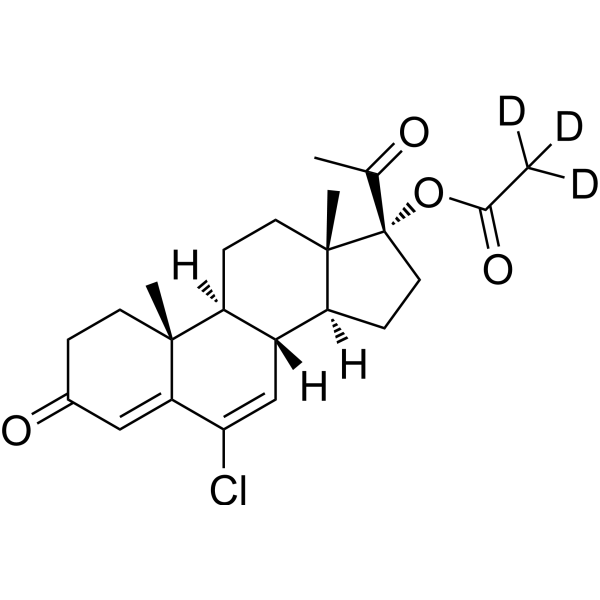 0 ImagesCat. No.: HY-B1095S2Chlormadinone acetate-d3 is the deuterium labeled Chlormadinone acetate (HY-B1095). Chlormadinone acetate is a progestogen with potent progestogenic activity and antiandrogenic effects. Chlormadinone acetate acts on glucocorticoid receptor, progesterone receptor, androgen receptor, and GABAA receptor. Chlormadinone acetate induces endometrial proliferation in estrogen-pretreated rabbits, inhibits testosterone-stimulated growth of the prostate and seminal vesicles in castrated rats, and reduces the thymus and adrenal weights in juvenile rats. Chlormadinone acetate is applicable to research related to diseases such as depression and reproductive metabolic disorders.
-
Anordrin
 0 ImagesCat. No.: HY-106751CAS No.: 56470-64-5Anordrin is a contraceptive agent. Anordrin exhibits estrogenicites and can induce decrease in serum progesterone levels in rat models. Anordrin inhibits endometrial epithelial cell mitosis and NAFLD induced by Tamoxifen (HY-13757A) in mouse uterus and liver as an anti-estrogenic and estrogenic agent.
-
Gestodene-d6
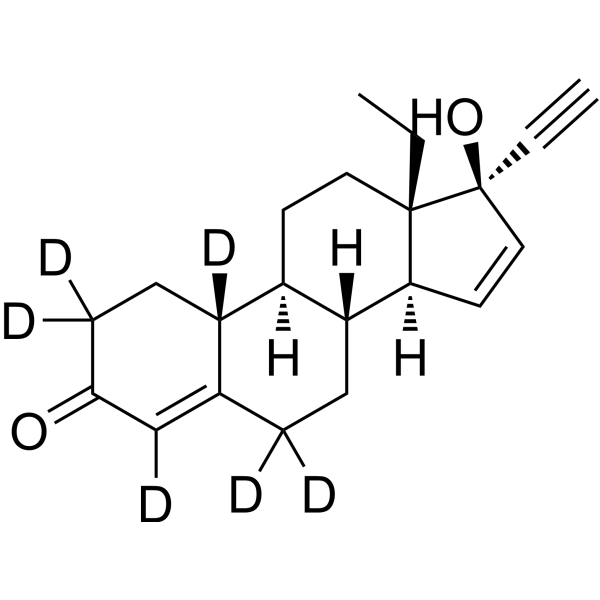 0 ImagesCat. No.: HY-B0110SCAS No.: 1542211-40-4Synonyms: SHB 331-d6; WL 70-d6Gestodene-d6is the deuterium labeled Gestodene. Gestodene(SHB 331) is a progestogen hormonal contraceptive. Gestodene-d6 is a click chemistry reagent, it contains an Alkyne group and can undergo copper-catalyzed azide-alkyne cycloaddition (CuAAc) with molecules containing Azide groups.
-
ZK112993
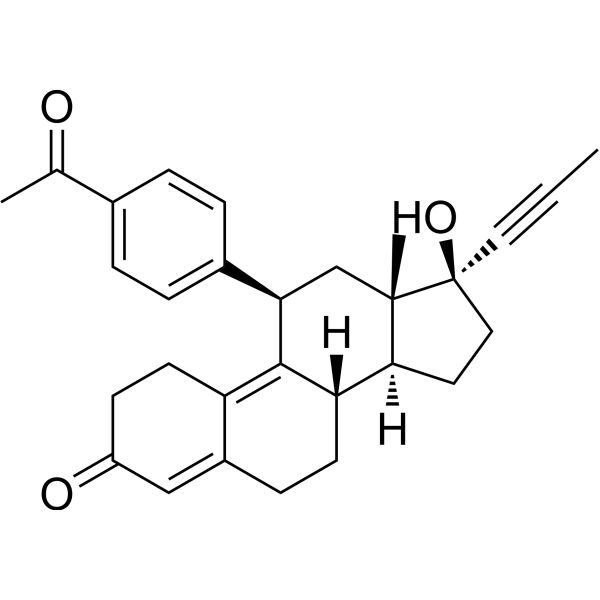 0 ImagesCat. No.: HY-113889CAS No.: 105114-63-4ZK112993 is a potent progesterone receptor (PR) antagonist. ZK112993 significantly inhibits the growth of T61 human tumors in nude mice.
-
Lonaprisan
 0 ImagesCat. No.: HY-16290CAS No.: 211254-73-8Synonyms: ZK 230211; BAY86 5044Lonaprisan (ZK 230211; BAY86 5044) is an antagonist for progesterone receptor, with IC50 of 3.6 pM and 2.5 pM for PR-A and PR-B, respectively. Lonaprisan exhibits antiprogestagenic activity in rabbits, interrupts early pregnancy in rats, and exhibits antitumor efficacy against DMBA (HY-W011845)-induced mammary tumor. Lonaprisan reveals antiglucocorticoid and antiandrogenic effect.
-
Etonogestrel (Standard)
 0 ImagesSynonyms: 3-Oxodesogestrel (Standard); 3-keto-Desogestrel (Standard)Etonogestrel (Standard) is the analytical standard of Etonogestrel. This product is intended for research and analytical applications. Etonogestrel (3-Oxodesogestrel), a biologically active metabolite of progestin Desogestrel, binds with high affinity to progesterone receptors and estrogen receptors in the target organs. Etonogestrel induce FKBP51 mRNA and protein expression in cultured human endometrial stromal cells (HESCs).
-
Etonogestrel-d6
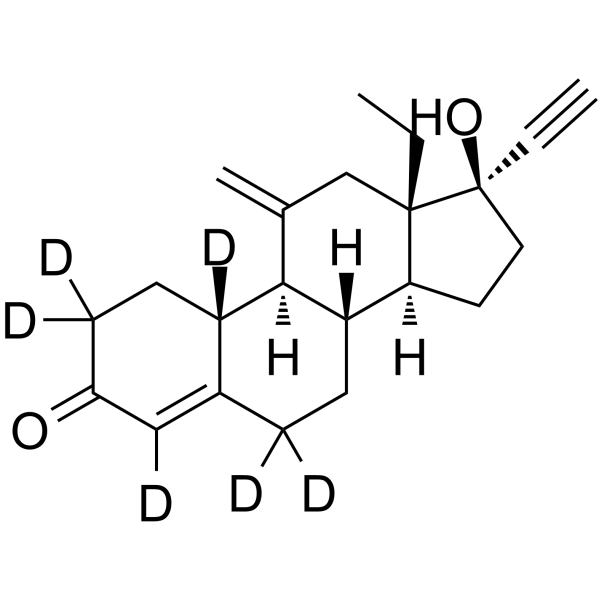 0 ImagesCat. No.: HY-B0652S1Synonyms: 3-Oxodesogestrel-d6; 3-keto-Desogestrel-d6Etonogestrel-d6 is deuterium labeled Etonogestrel. Etonogestrel (3-Oxodesogestrel), a biologically active metabolite of progestin Desogestrel, binds with high affinity to progesterone receptors and estrogen receptors in the target organs. Etonogestrel induce FKBP51 mRNA and protein expression in cultured human endometrial stromal cells (HESCs).
-
Algestone acetophenide
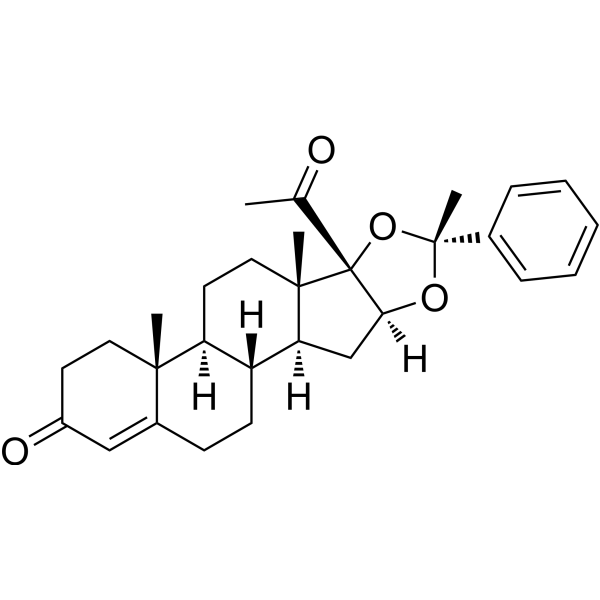 0 ImagesAlgestone acetophenide is a progesterone drug. Algestone acetophenide can be used in combination with estrogen as a long-acting injectable contraceptive.
-
Progesterone 3-biotin
 0 ImagesCat. No.: HY-N0437FSynonyms: Pregn-4-ene-3,20-dione-biotinProgesterone 3-biotin (Pregn-4-ene-3,20-dione-biotin) is a biotin-labeled probe that allows progesterone to be detected or immobilized using the biotin ligand. Progesterone 3-biotin is the biotinylated derivative of Progesterone (HY-N0437).




